Booking a first castle tour should feel like a treat, not a research project. Then you open an operator's page and find forty options: a half-day coach trip, a private car with a guide, a self-guided audio route, a week-long itinerary through three countries. They all promise castles. They deliver very different days. Choosing well comes down to a handful of questions you can answer about yourself before you look at a single price. Answer them first, and the shortlist makes itself.
Know Which Kind of Castle You're Chasing
The word "castle" covers more ground than most people expect. Before comparing tours, decide which of these you actually want to spend a day inside.
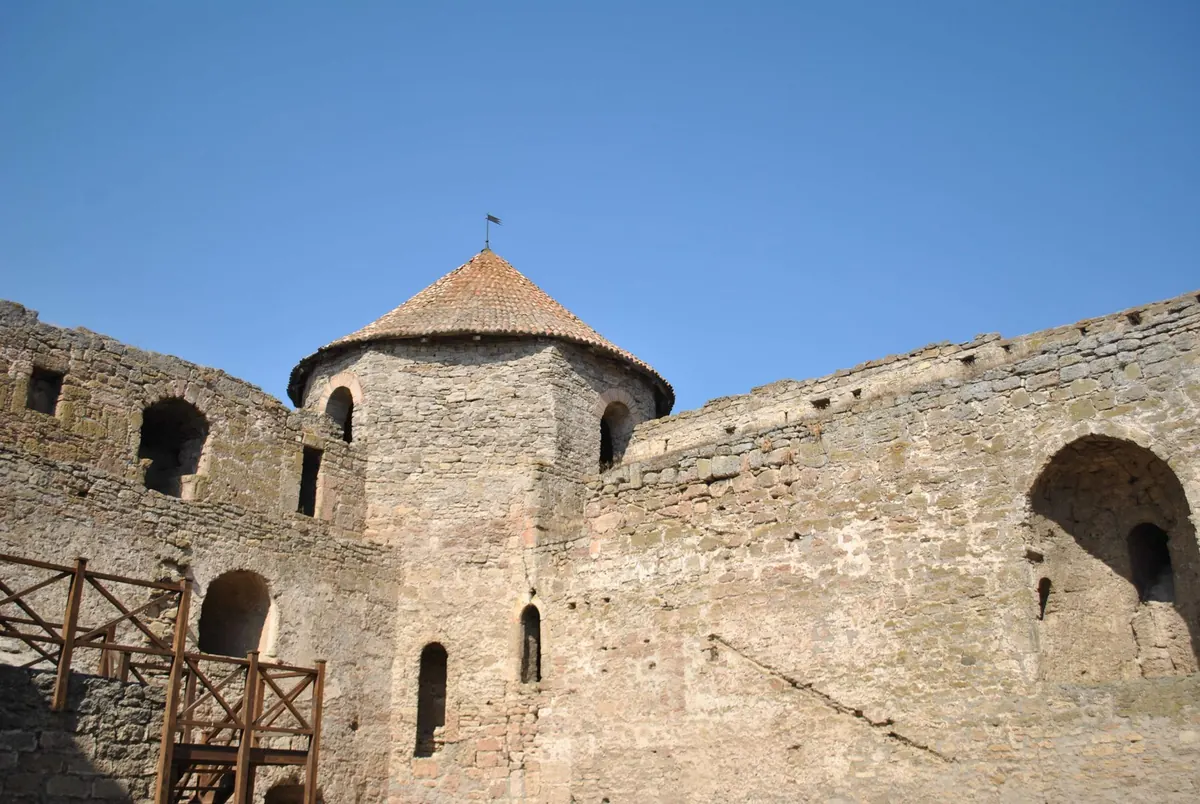
- Ruined fortresses. Walls, towers, grass, wind, and huge skies. Think Conwy, Carcassonne's outer ramparts, or a border keep in Scotland. Cheap or free to enter, often self-guided, and mostly outdoors.
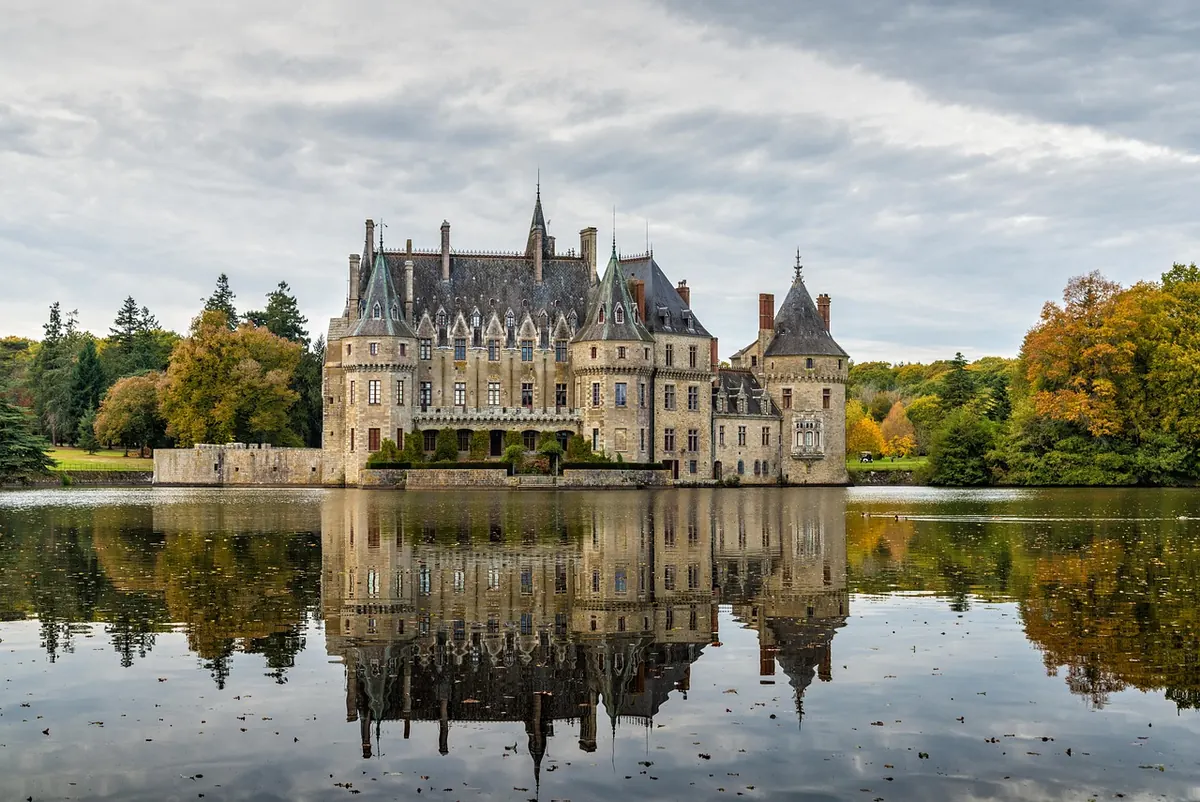
- Furnished palaces and châteaux. Tapestries, painted ceilings, parquet, guided rooms, and a story about the family who lived there. Chambord, Chenonceau, and many Loire and Bavarian sites sit here.
- Working military strongholds. Thick walls, siege history, garrison kitchens, and a focus on how the place was defended. Malbork and the great crusader castles reward this interest.
- Nineteenth-century romantic rebuilds. Neuschwanstein and Hohenzollern are spectacular, but they are closer to a dream of the Middle Ages than to the Middle Ages themselves. Their interiors are theatrical and often unfinished.
- Castles that are now museums, hotels, or venues. Some of the best tours are of buildings still in use, which changes what you can see and when.
This matters because a ruined Welsh castle and a furnished French château ask for completely different days. One wants sturdy boots and time to wander. The other wants a timed entry slot and a willingness to stand in a guided group. If you want tapestries and painted ceilings and you book a ruins tour, you will spend the afternoon politely disappointed.
Choose the Format: Guided, Private, or Self-Guided
Guided group tours
Someone else drives, parks, buys tickets, and explains what you're looking at. This is the easiest option for a first castle trip, especially if you don't want to rent a car. The trade-off is pace: you move when the group moves, and a guide's favourite room may not be yours.
Private and small-group tours
A private guide or a minivan tour gives you room to ask questions, linger in a chapel, or skip the armoury. Costs are higher per person than a coach tour, but if you're travelling as three or four people and splitting the total, the gap narrows. Small groups also enter rooms faster and hear better.
Self-guided visits
Plenty of castles offer audio guides, printed room-by-room notes, or well-signed routes. You set the pace and the order. The catch is transport: without a car, reaching hilltop castles can mean a bus, a shuttle, a long walk, or all three. Check how you'll get from the station or car park to the gate before you commit.
Accessibility and Group Size: The Two Things Beginners Underestimate
Two factors sink more castle days than rain: stairs and other people. Neither is a reason to stay home. Both are reasons to ask precise questions before booking.
Accessibility questions worth asking
- How many steps are there between the entrance and the main rooms, and are there handrails?
- Is there a lift, a ramp, or a ground-floor route, and does it cover the parts I most want to see?
- How far is the walk from where the coach or car parks to the gate, and is the surface gravel, cobbles, or paving?
- Are there benches, toilets, and a café on site?
- For wheelchairs or mobility aids, what are the door widths and floor surfaces like in the older sections?
Many historic sites genuinely cannot be adapted, and tour descriptions often gloss over that. Contact the castle directly if mobility is a concern; staff usually know exactly which rooms are reachable and which are not. If you have a heart, lung, joint, or balance condition and the tour involves steep stairs or long climbs, check with your doctor before booking.
Group size changes the room
A coach tour can mean forty to fifty people, timed entry in shifts, and a guide speaking through a headset. A minivan tour is often six to sixteen. A private visit is just your party. In a crowded great hall, the difference between those numbers is the difference between hearing the guide and reading lips. If you're travelling with children, grandparents, or anyone who needs a slower pace, smaller is almost always better.
How to Read a Castle Tour Itinerary
Tour descriptions are written to sell, not to inform. Read them the way an editor would, looking for what's missing.
- Time inside versus time travelling. Three castles in one day usually means under an hour at each. Decide whether you'd rather see one properly.
- "Exterior visit" and "panoramic stop." Both mean you won't go in. Sometimes that's fine; sometimes it's the whole reason you came.
- What's included. Entry fees, interior guided tours, lunch, and transport are often listed separately.
- Language and group size. Look for the stated maximum number, not the average.
- Start and end points. A tour that ends forty minutes from your hotel changes your evening.
- Cancellation and weather policy. Outdoor sites close for high winds and ice more often than you'd think.
Season, Time of Day, and What to Wear
Summer midday is the worst time to see a famous castle: heat, queues, and school groups. Early morning and the last two hours before closing are calmer, and the light is better for photographs. Spring and autumn give you shorter lines and cooler climbs. Winter can be wonderful, but check opening hours, because many sites run reduced schedules or close entirely.
Dress for stone. Castles are cold, windy, and full of uneven surfaces even in July. Flat, closed shoes with grip are non-negotiable for spiral staircases and cobbled courtyards. Bring a light layer, water, and a bag small enough to carry on your front, since some sites restrict backpacks in fragile rooms.
Making the Decision in Ten Minutes
Write down three answers: the kind of castle you most want to see, how much walking and stair-climbing you're comfortable with, and how many people you want around you. Then filter every option against those three lines. Book directly with the site or the operator rather than through a reselling site, so changes and questions are easier to handle. In peak season, reserve timed entries and popular small-group tours well ahead. And leave one afternoon free. The best castle memory is usually the unplanned stop you made on the way back.
Photo: viro / Pixabay