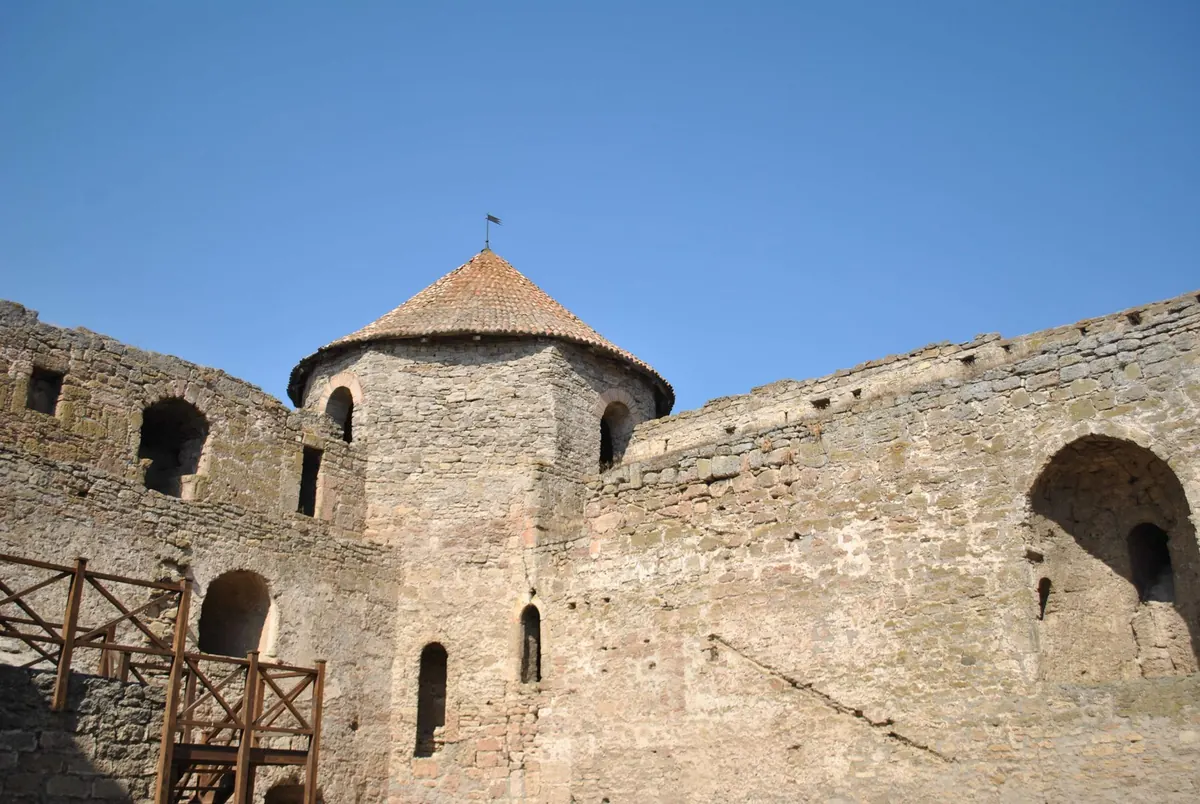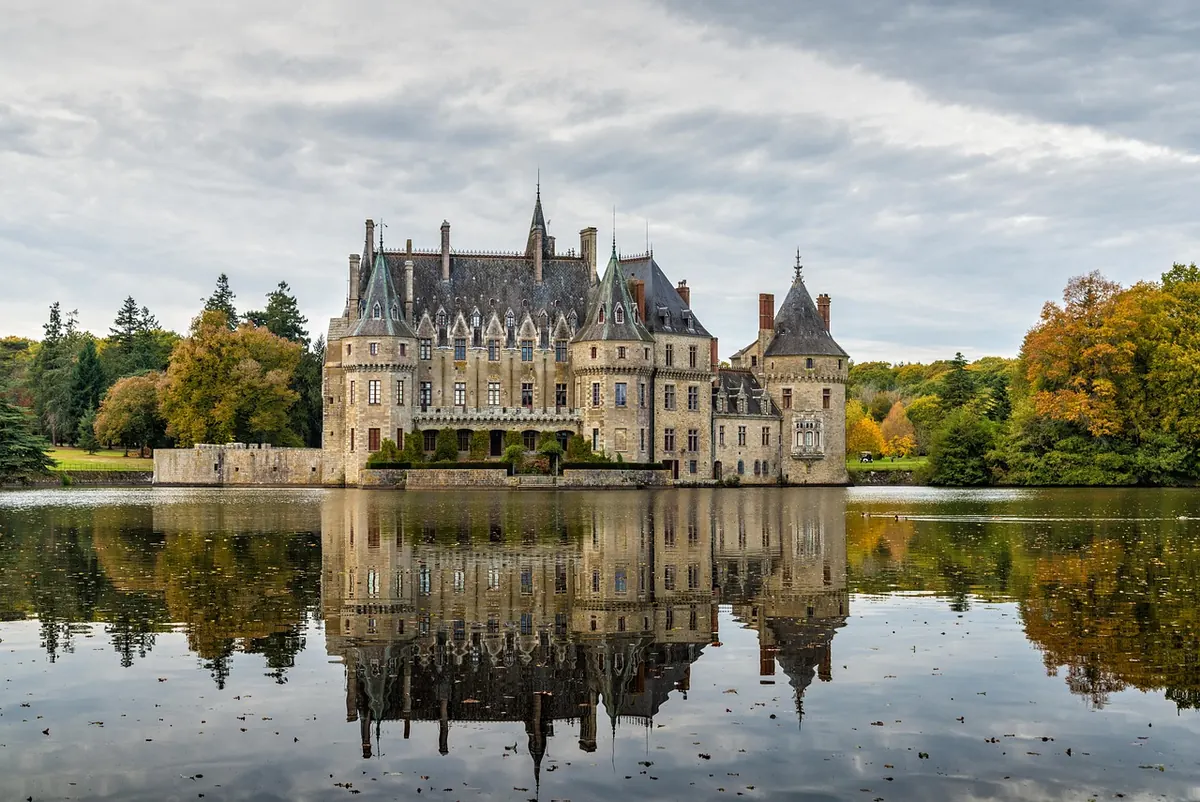
A castle looks settled. The walls stand, the motte is grassed over, the noticeboard offers a date. Almost everything else — who built it, why that particular bend in the river, when it was abandoned, what stood there before — is sitting in documents, maps and photographs you can find before you leave the house. An hour of research changes a visit. You stop staring at a ruin and start reading a sequence of decisions made by people worried about something specific: a crossing, a rival family, a road that later moved.
Start With the Building in Front of You
Before you open a single archive catalogue, walk the site once, or study good photographs of it if you cannot get there yet. Look for breaks in the masonry, blocked doorways, different stone, a straight joint where two campaigns of building meet. Photograph these details and note roughly where they are: north wall, near the gate, above the second window. Ask simple questions. Where is the oldest-looking work? Which parts look like a house rather than a fortress? Where would the ground have been higher or lower?
Those observations become your research questions. "When was the hall block added?" is a far more useful thing to take to an archive than "tell me about the castle".
Find the Official Record First
Most countries maintain a national record of protected or scheduled monuments, and it is usually online and free. In England that is the National Heritage List for England; in Scotland, scheduled monument records and Canmore; in Wales, Cadw's records and Coflein; in Northern Ireland, the Historic Environment Record. France has the Mérimée database, and most European countries have an equivalent. These entries give you a summary description, a date range, a list of sources and often a plan.
Then look for the regional Historic Environment Record or Sites and Monuments Record, usually held by a county or municipal archaeology service. These are the working files: excavation reports, watching briefs, aerial photograph transcriptions, letters. Much of it is unpublished and never appears in a book. An email to the HER officer, naming the site and the parish, is one of the highest-value things you can do.
Maps, Earthworks and Place Names
Maps often tell you more about a castle's decline than its construction. Compare a first edition Ordnance Survey sheet with an estate map from a century earlier. You will see walls that existed in 1800 and vanished by 1850, a railway cutting through the outer bailey, a lodge built on the site of the gatehouse. National library map collections — the National Library of Scotland's map viewer is unusually generous — let you layer historic sheets over modern ones.
Read the ground, not just the paper
Earthworks survive where walls do not. Look for low banks, ditches, terraces and hollow ways on aerial photographs, especially in low winter light or under cropmarks. Aerial survey collections from the mid-twentieth century are particularly useful because they show sites before modern ploughing and development.
Place names are a quieter clue. Elements meaning "castle", "fort", "mound" or "enclosure" appear in field and farm names long after the building has gone. A field called Castle Hill with no visible stone is worth a look.
Online Databases Worth Bookmarking
- National monument records — the list entry or scheduling record, for a dated summary and a bibliography.
- Regional HERs — for unpublished reports, events and aerial photographs.
- Aerial photo archives — mid-century survey collections and resources such as Britain from Above, which covers 1919–1953.
- Digitised journals — archaeological and antiquarian society transactions, often on the Internet Archive or Google Books. Search the castle name plus "proceedings".
- Photo and postcard collections — Wikimedia Commons, Flickr Commons and local museum catalogues, useful for views taken before clearance or ivy growth.
- National library map viewers — for historic sheets you can overlay on the present.
Archives, Libraries and Local Societies
This is where the real detail lives. County record offices, local studies libraries and university special collections hold estate papers, rentals, correspondence, accounts and sale particulars. Sale catalogues are gold: they often include a plan and a room-by-room description of a castle just before it was remodelled or abandoned.
- Search the archive's online catalogue by the castle name, the parish and the owning family's surname.
- Email or ring ahead with a short list of references and a date you plan to visit.
- Check whether you need a reader's ticket and photographic identification; many archives do.
- Order documents in advance where possible — some are stored off-site and take days to retrieve.
- Ask the local history society what has already been written. Someone has usually done a pamphlet, a village history or a thesis.
Take a pencil, not a pen, and photograph or scan what you cannot photocopy. Note the full reference of everything you use; you will not remember it later.
Read Old Sources With Suspicion
Eighteenth- and nineteenth-century antiquarians mixed careful observation with legend, and later writers copied them without checking. A "Danish fort" or a "Roman camp" in a Victorian guidebook often turns out to be a medieval motte. Where a claim matters, trace it back to the earliest source and see whether that source was describing the building or repeating a story. Architectural dating by style is a starting point, not proof — a Gothic doorway can be a nineteenth-century addition.
Turn Your Notes Into a Visit Plan
Write a one-page timeline with dates, events and the source for each entry. Print a historic map and mark the features you want to find on the ground: the lost wall, the filled ditch, the position of the original gate. Then check practicalities — opening times, whether the site is on private land, and local access rules. Access to open countryside is not the same everywhere, and a knock at the farm door or a call ahead costs nothing. Wear boots, take a torch for vaults and a lens cloth for interpretation boards.
On site, test your research rather than confirming it. Is the "original" doorway in the position you expected? Does the ditch line up with the map? Photograph anything that contradicts what you read, and send a note to the local HER if you find something new or spot fresh damage. The next person researching this castle will thank you.
Photo: ilovechile-travel / Pixabay