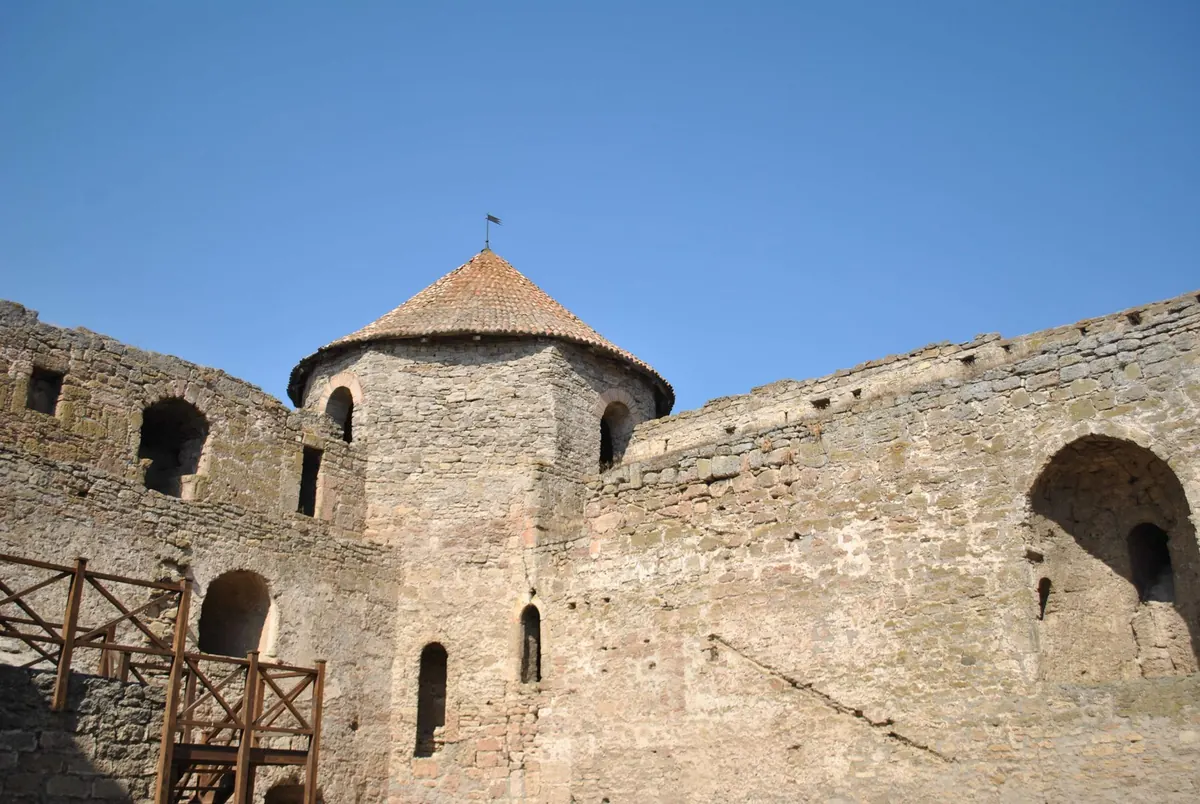
Ask anyone to sketch a castle and the pencil usually starts with the towers, then loops a ribbon of blue water around the base. The moat is the most recognisable part of the medieval castle and one of the least understood. Water helped, but it was never the point. What mattered was the ditch: a steep-sided, carefully controlled obstacle that could be flooded, drained, or left bone dry depending on what the ground allowed. Understanding that distinction turns a pretty reflection into a piece of engineering — and explains why so many moats today are green with duckweed rather than filled with the stuff of siege drama.
What a Moat Actually Did
No medieval engineer expected attackers to fall in and drown. A ditch works by breaking an assault apart. Horses will not charge across it. Ladders have to be longer than the far bank is high. A siege tower must be dragged down one slope and up the other, which is slow, noisy, and exposes everyone involved to arrows from the walls. Mining — the tunnelling that brought down so many masonry towers — becomes far harder when the tunnel has to start beyond a wet ditch and run beneath water. That is one reason moats and countermine galleries so often appear on the same site.
There were quieter benefits. A wet moat supplied fish, drew wildfowl, carried waste away from the household, and kept a reserve of water close at hand in case of fire or siege. And there was the matter of appearance. A broad sheet of water lying below a gatehouse announces that the owner commands money, labour, and the king's goodwill. By the late Middle Ages, plenty of moats were doing more for prestige than for defence.
Wet Moats and Dry Moats
A wet moat needs a water supply that sits higher than the ditch floor and keeps coming all year. Springs, streams diverted along a leat, dammed valleys, and in a few coastal cases the tide, all served. Caerphilly in south Wales flooded a whole valley floor around its concentric walls. Kenilworth's great mere was an artificial lake wide enough to make the castle almost an island. Leeds Castle sits between islands in a lake fed by the River Len. On a hilltop, none of this is possible — Old Sarum and countless Norman ringworks rely instead on dry ditches cut into chalk or rock.
Do not dismiss the dry moat. A dry ditch could be cut deeper and steeper than a flooded one, since there was no water pressure to push the sides in. Many were revetted with stone or timber to stop the banks slumping, and some were given a raised outer bank — the counterscarp — which made the far wall of the ditch effectively taller and the climb out harder.
Building One: Water, Clay, and Shovels
Digging a moat was a labour project, not a decorative flourish. The work followed a fairly consistent order:
- Read the ground and the water. Find the spring line or the highest point of a stream that can be brought to the ditch by gravity. A moat you have to pump or carry water into is a moat you will abandon.
- Set out the line with pegs and rope, and cut and stack the turf. Turf sods were valuable — they went back onto the banks to bind them.
- Dig in sections, leaving causeways of undisturbed ground for carts and barrows, then removing them at the end.
- Move the spoil deliberately. Clean spoil raised the castle platform or built the inner bank; the throw-out also made the ditch deeper without digging any further down.
- Line the ditch if the subsoil leaks. Puddled clay, trodden and tamped in layers, was the usual answer on sand or gravel. Where the ditch was cut into solid clay or bedrock, no lining was needed.
- Build the water works: a feeder leat, a sluice or penstock to control the level, a culvert or outfall at the low end, and sometimes a dam.
- Fill and adjust. Most moats were dug dry and flooded afterwards, which is far easier than working in mud.
One detail visitors rarely notice: the inlet and outlet are usually the weakest points, and they are often placed near the gatehouse or at a rear corner where they can be watched from the walls.
The Unending Job of Keeping It Wet
A moat is a piece of water management, and water management fails quietly. Silt settles, leaves rot, banks slump, and within a generation a proud wet ditch is a shallow, smelly marsh. Keeping one in order meant steady work:
- Dredging. Silt and dumped rubbish raise the floor surprisingly fast. A ditch that once held two metres of water may now hold sixty centimetres.
- Clearing the feeder and the outfall. A blocked culvert turns a flowing moat into a stagnant pond, and stagnant water was a genuine health complaint long before anyone understood why.
- Repairing banks and revetments before a small slip becomes a breach that drains the whole thing.
- Working the sluices through the year, lowering the level ahead of winter floods and raising it when the water runs low.
- Managing the margins — keeping cattle and carts off the banks, and pulling tree seedlings before their roots open cracks in the clay lining.
That last point is easy to underestimate. Burrowing animals and maturing trees do more long-term damage to a moat's banks than any army ever did.
Why the Moats Went
Moats did not disappear because gunpowder made them useless. Bastion forts kept wet ditches for centuries after the medieval castle was obsolete. What changed was the castle itself. From the fifteenth century onward, the people who could afford a moat wanted windows, gardens, orchards, and a view. A ditch full of stagnant water directly in front of the hall was a nuisance, a smell, and a breeding ground for insects.
There was also the cost. A moat demanded rights to divert water, perpetual dredging, and a workforce that peacetime estates preferred to spend on fields. Towns filled in their ditches as they expanded, using them as rubbish tips and then as building plots. In the landscaped parks of the eighteenth century, the defensive ditch was replaced by the ha-ha — a sunken wall that kept livestock out of the garden without interrupting the view — which is precisely the same idea with the water and the danger removed.
Reading a Moat on a Site Visit
If you want to get more out of a castle visit, spend ten minutes on the ditch before you go through the gate. Look at the profile: a narrow V-cut suggests a dry, fast obstacle, while a wide flat-bottomed channel points to a wet moat that needed volume. Find the inner bank and the outer counterscarp, and compare their heights. Hunt for the sluice or culvert, usually a stone-lined opening low in the bank, and for the faint line of a feeder channel running off toward a stream.
Remember that most moats today are not the moats that were built. Silt, leaves, and generations of dumped rubbish have filled them, so the water surface sits far above the original floor and the ditch looks shallower and wider than it was. Dry moats on hilltops often preserve their original shape far better than wet ones.
Finally, treat what you find with care. Many moats are scheduled monuments or lie on private land, and a few are still working waterways. Stay on the paths, keep off crumbling banks, and leave the dredging to the archaeologists and the estate staff.
Photo: oleg_mit / Pixabay